FREE shipping on US orders over $45!
Your cart is empty!
FREE 1-year warranty on all blenders and juicers
More to Consider


Taxes and discounts calculated at checkout.


Free shipping on US orders over $45.
Free 1-year warranty on all blenders and juicers.

FREE shipping on US orders over $45!
FREE 1-year warranty on all blenders and juicers
More to Consider
Taxes and discounts calculated at checkout.
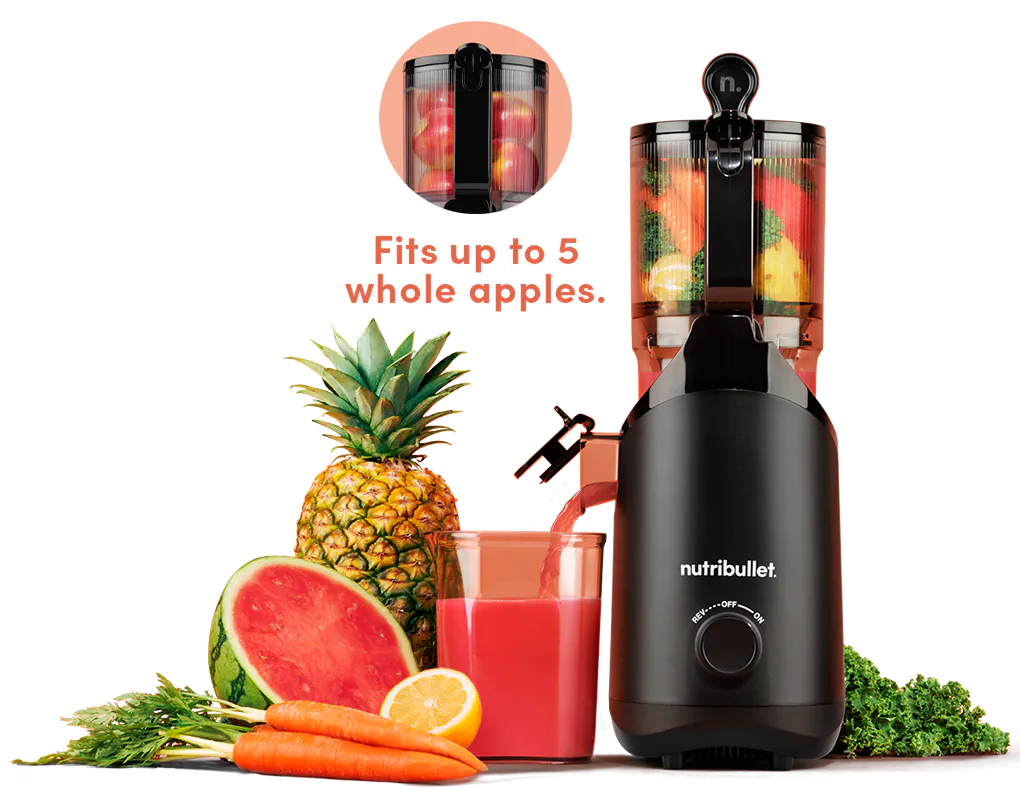
Make fresh juice in one go.
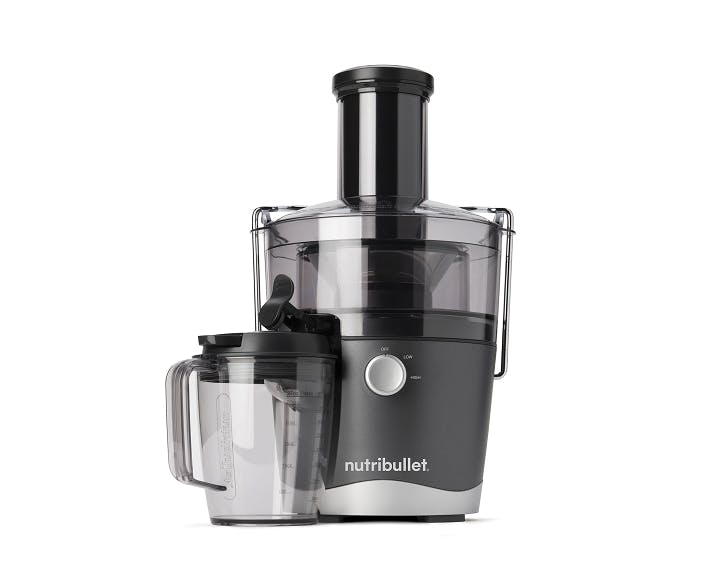
Make fresh, delicious homemade juice from your countertop with nutribullet juicers. These fast, efficient electric juicers are easy to set up, operate, and clean with a large chute to minimize prep. Our fruit and vegetable juicers are designed with convenience in mind and are engineered to produce smooth, delicious juice every time.
Changing this option will automatically update the product list based on your selection.
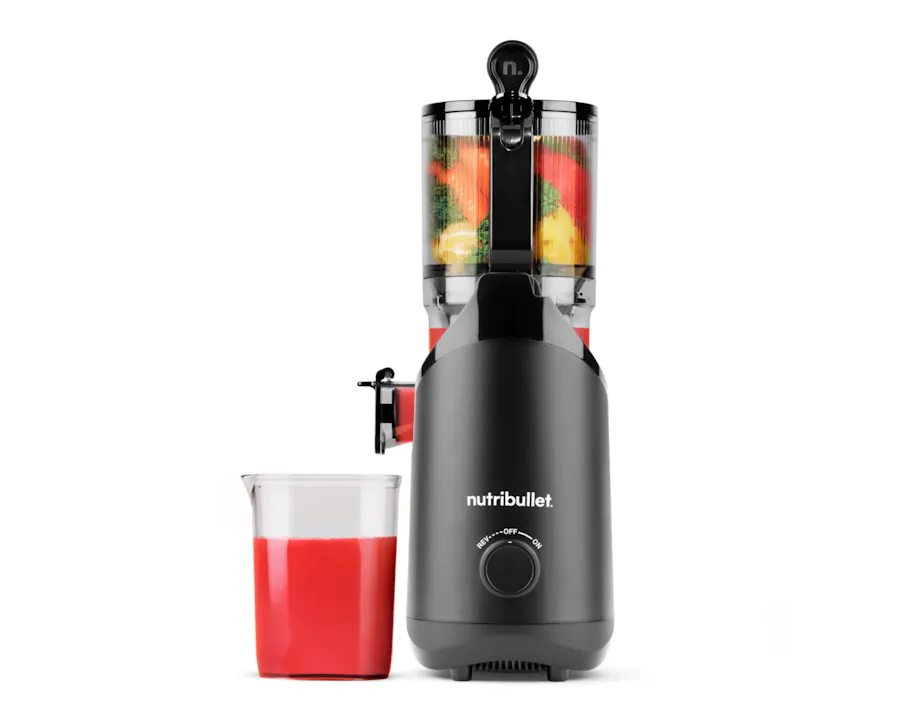
nutribullet Cold Press Juicer
Free Shipping

nutribullet Juicer
Free Shipping

nutribullet Juicer Pro
Free Shipping
At nutribullet, we believe the way you get your daily nutrients should be as vibrant as you are. A high-quality juicer is the perfect way to extract maximum nutrition with minimal effort. Whether you want to kickstart your morning with citrus or refresh your afternoon with a green blend, our machines are designed to make fresh hydration effortless. Just like our popular blenders, our fruit and vegetable juicers are built to seamlessly streamline your daily wellness routine. If you also want to create thick smoothies to compliment your juices, explore our complete collection of blenders to round out your kitchen.
We know you value your time, which is why a juicer from nutribullet is an absolute game-changer. We use rapidly spinning blades and powerful motors to extract liquid in seconds. Featuring wide feed chutes, you will spend significantly less time chopping and more time sipping. We prioritize simplicity with easy-to-clean components, so you won't ever dread the post-prep wash.
Transforming your diet is simple when you have the right tools. A dedicated fruit and vegetable juicer empowers you to create custom blends exactly how you like them—without hidden sugars or artificial additives. From crisp apples to earthy carrots, our extractors handle it all with ease to deliver smooth, refreshing results. If you are also preparing fresh purees for the littlest members of your family, our baby food makers are another wonderful way to provide wholesome nutrition. Let us help you fuel your best self today!
A centrifugal juicer uses a rapidly spinning sieve to separate juice from pulp in fruits and vegetables. Produce goes down a feed chute into the sieve, which spins at high speed to extract the liquid, while the leftover pulp collects separately. This method works quickly and handles most fruits and vegetables well, making it a practical, everyday option for fresh juice at home. Both the nutribullet Juicer and nutribullet Juicer Pro use this centrifugal method.
Neither is inherently healthier. They simply offer different nutrition profiles. Juicing extracts the liquid from fruits and vegetables and separates out the pulp, giving you a lighter drink concentrated in vitamins and minerals. Blending a smoothie keeps the whole fruit or vegetable intact, including the fiber, and often incorporates extras like yogurt, nut butter, or protein powder. Fiber plays an important role in digestion, so many people find a combination of juicing and blending fits best into a balanced routine, using each for what it does well.
Not usually. nutribullet® juicers are built with a wide 3 inch feed chute, so whole or roughly halved fruits and vegetables can go in with minimal prep. That said, a few things should always be removed first: rinds from citrus fruits and pits or seeds from stone fruits like peaches and cherries. Beyond that, most produce can go in as is, which is part of what makes centrifugal juicing quick for everyday use.
A juicer separates liquid from solids, using a spinning sieve to extract juice while ejecting the pulp into a separate basin. A blender doesn't separate anything. It purees everything you put in, so the ingredients stay together in the final drink. That difference shows up in the result: juicers produce a thin, pourable liquid, while blenders produce a thicker, spoonable or sippable blend. It also shows up in what each machine can handle. A blender can process nuts, seeds, ice, yogurt, and other add-ins that a juicer isn't built for, while a juicer is built specifically around fresh produce. If you want fresh juice with a light, drinkable texture, reach for a juicer. If you want a heartier, more customizable drink, a blender is the better tool. For more, check out our blog on blenders vs. juicers.
A few things should stay out of any centrifugal juicer. Bananas and avocados don't contain enough extractable liquid to juice well, and can actually damage juicer parts, so they're better suited to a blender. Frozen fruits or vegetables should also be avoided; juicers are designed for fresh produce only. Stone fruits like peaches, plums, and cherries are fine once the pits are removed, but juicing them with the pit inside can damage the machine. Leafy greens like kale and spinach can also be tricky in a centrifugal juicer, since they tend to yield less juice than they would in a slow juicer.
Most parts, yes. The juice pitcher, pulp basin, and sieve are all dishwasher safe on nutribullet juicers, so daily cleanup is quick. The motor base is the one exception. It should never go in the dishwasher or be submerged in water. Just wipe it down with a damp cloth after each use to keep it clean.



 Free Shipping