FREE shipping on US orders over $45!
Your cart is empty!
FREE 1-year warranty on all blenders and juicers
More to Consider


Taxes and discounts calculated at checkout.


Free shipping on US orders over $45.
Free 1-year warranty on all blenders and juicers.

FREE shipping on US orders over $45!
FREE 1-year warranty on all blenders and juicers
More to Consider
Taxes and discounts calculated at checkout.

Baby food, made with love® – adorably efficient products that simplify early feeding from purees to solids.
The nutribullet Baby® collection of baby food makers, steamers, and storage kits makes it easy to create fresh purees and homemade meals from nutritious whole-food ingredients—so you can give your little one a healthy start.
Changing this option will automatically update the product list based on your selection.

nutribullet Baby Steam + Blend
Free Shipping

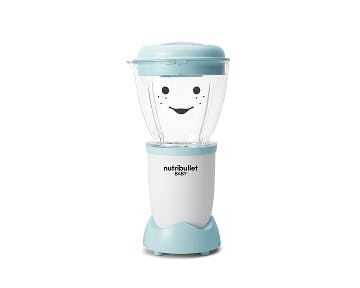
nutribullet Baby
Free Shipping

nutribullet Baby Turbo Steamer

Baby Food Bundle
Free Shipping

Baby & Toddler Meal Prep Kit
Caring for infants is one of the most important roles you can take on, and nutribullet is here to support. A dedicated baby food maker empowers you to take full control over your little one's meals, ensuring they receive the fresh, wholesome nutrition they need to thrive. We designed our tools to make the logistical side of feeding much easier, so you can focus more on those precious moments together. While you might rely on our blenders and kitchen systems for large family dinners, our baby systems are perfectly calibrated for delicate first bites.
Making fresh baby food doesn't have to mean extra appliances, extra dishes, or extra time. The nutribullet Baby® lineup of baby food makers and steamers gives you three ways to tackle early feeding, so you can pick the one that fits how you cook.
Round out your setup with storage cups, reusable pouches, a freezer tray, and a travel bowl from the Baby & Toddler Meal Prep Kit. Want to whip up a quick breakfast for yourself while their food steams? Our compact personal blenders are a fantastic companion.
These early years go by too fast, which is why our baby food maker systems are built to reduce stress and maximize your joy. By preparing meals at home, you set a beautiful foundation for healthy eating habits. Our systems include convenient storage, letting you batch-cook for the busy week ahead. From first purees to textured mini meals, our baby systems grow with your little one every step of the way. Shop the full nutribullet Baby® collection and find the right fit for your family.
If you plan to make homemade baby food regularly and care about having complete control over ingredients, a dedicated baby food maker is worth considering. It combines steaming, blending, and often storage into one system, so you are not juggling a pot, a regular blender, and a stack of separate containers every time you cook. That said, a baby food maker is not the only way to make homemade purees. A standard blender or food processor can do the job, too. The main advantage of a dedicated system is convenience: less cleanup, fewer steps, and accessories built specifically for portioning and freezing baby-sized servings.
Generally, yes, though it depends on what you're comparing it to. Homemade baby food made from fresh produce you're already buying for the household is often less expensive per serving than individual jars or pouches, especially if you cook in batches and freeze portions. That said, the savings are not automatic. If you're buying specialty organic produce in small quantities, or if some of what you make goes to waste, the cost difference can shrink. Most families find that a mix of homemade and store-bought works well, using homemade purees for everyday meals and store-bought options for convenience when needed.
A baby food maker is built specifically around the feeding journey, from thin first purees to the thicker, chunkier textures a baby needs as they grow, often alongside steaming and storage features made for small portions. A food processor is a general kitchen tool, better suited for larger batches, chopping, and prep work across a wider range of dishes. If your main focus is baby food specifically, a dedicated system like the nutribullet Baby® is built around that exact texture progression. If you also want a tool for everyday family cooking, a food processor offers more general versatility.
There is no single stopping point, since every baby transitions to solid table foods at a different pace. The nutribullet Baby® system is designed to grow with your baby through that whole process, starting with smooth purees around 6 to 8 months, moving to thicker textures around 9 to 12 months, and finishing with mini meals that include small bits of fruit and vegetables at 1 year and beyond. Many parents keep using their baby food maker well past the first year for thicker blends, family-style purees, or basic meal prep, so it can stay useful even after your baby has moved on to more solid foods.
Yes. The nutribullet Baby Turbo Steamer is built to do more than just steam produce. It can also sterilize baby bottles, pacifiers, nipples, utensils, teethers, and toys, so it doubles as a way to keep feeding gear clean alongside its cooking features.

Prepare

Store

Serve

Perfect Purees
6 - 8 months
Finely blend veggies and fruits for nutritious, wholesome purees — your baby’s first introduction to solid food.

Tasty Textures
9 - 12 months
Easily adjusts to make thicker blends for your baby’s next stage of feeding.

Mini Meals
1 year +
This blend incorporates small bits of fruit and veggies into the mix, helping your baby transition to chewing whole foods.



 Free Shipping