FREE shipping on US orders over $45!
Your cart is empty!
FREE 1-year warranty on all blenders and juicers
More to Consider


Taxes and discounts calculated at checkout.


Free shipping on US orders over $45.
Free 1-year warranty on all blenders and juicers.

FREE shipping on US orders over $45!
FREE 1-year warranty on all blenders and juicers
More to Consider
Taxes and discounts calculated at checkout.
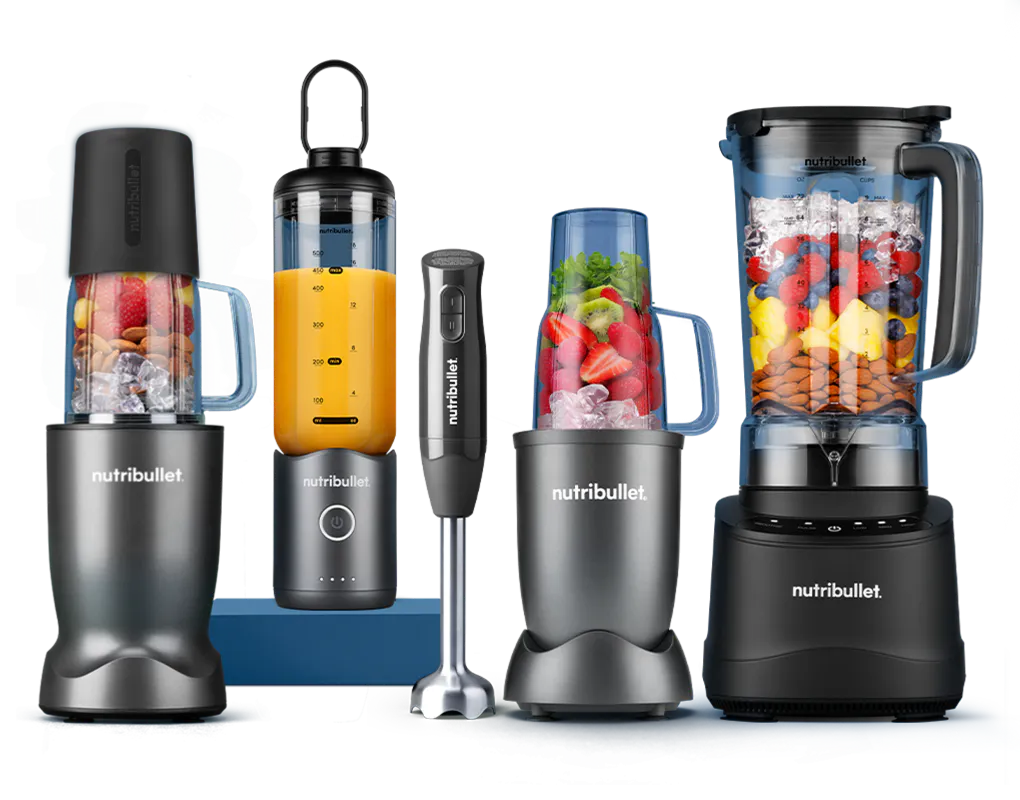
Personal, full-size, portable,
immersion – however you like to
blend, we’ve got your perfect match.
Whether you’re blending for one or for a family, making smoothies on the move, or soup from scratch, our collection of personal blenders, full-size blenders, portable blenders, and immersion blenders offers a versatile array of options to keep every day smooth.
All Blenders (30)
Changing this option will automatically update the product list based on your selection.
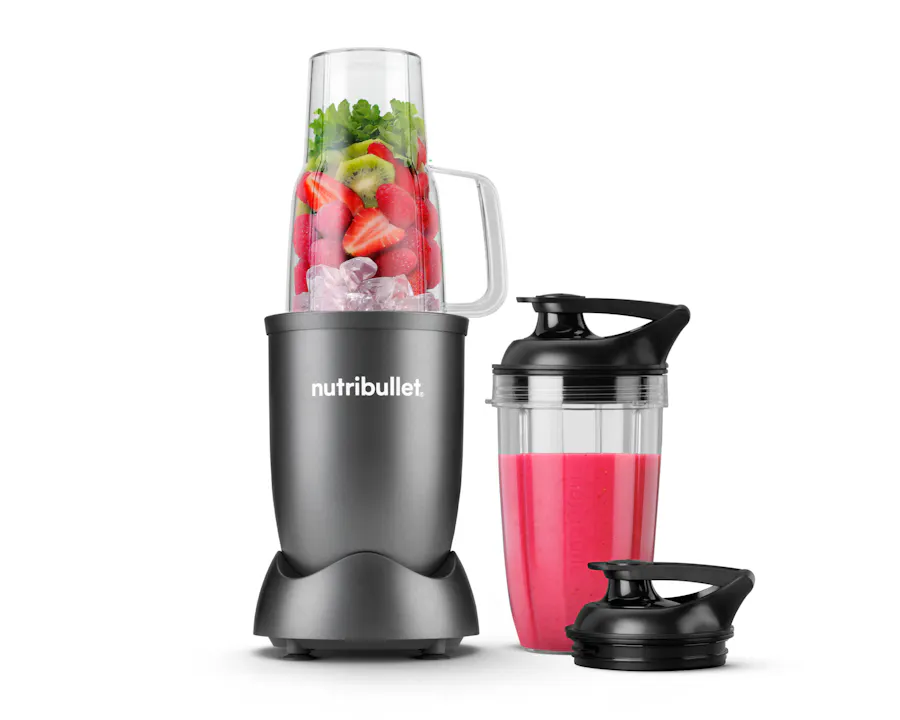
nutribullet Personal Blender
Free Shipping

nutribullet Turbo
Free Shipping
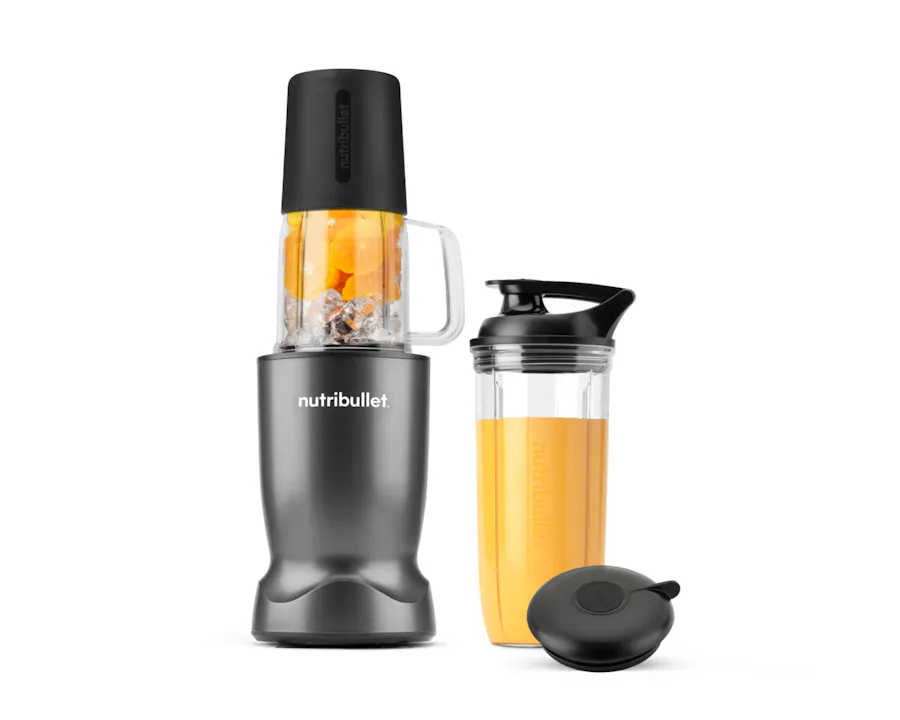
nutribullet Turbo Tumbler Edition
Free Shipping
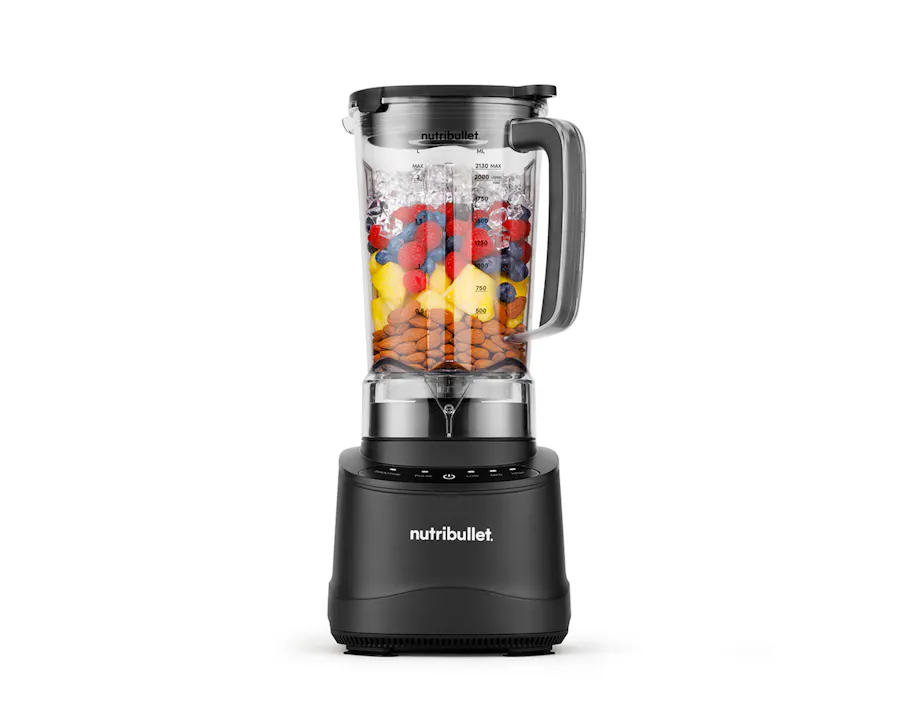
nutribullet Power Core
Free Shipping

nutribullet x McLaren Pro
Free Shipping

nutribullet x McLaren Portable Blender

nutribullet x McLaren Ultra
Free Shipping

nutribullet Flex X McLaren
Free Shipping

nutribullet Lite Immersion Blender
Free Shipping

nutribullet Flex 2-pack
Free Shipping

nutribullet Flex
Free Shipping

nutribullet Flip
Free Shipping

nutribullet SmartSense
Free Shipping

nutribullet SmartSense Blender Combo
Free Shipping

nutribullet Ultra
Free Shipping

nutribullet Ultra Deluxe
Free Shipping

nutribullet Portable Blender
Free Shipping

nutribullet Ultra Plus
Free Shipping

nutribullet Ultra Plus 2-in-1
Free Shipping

nutribullet Triple Prep System
Free Shipping

nutribullet Pro+
Free Shipping

nutribullet Blender
Free Shipping

nutribullet Blender Combo
Free Shipping

nutribullet Rx
Free Shipping

nutribullet Baby Steam + Blend
Free Shipping

nutribullet Baby
Free Shipping

Turbo & Chill Bundle
Free Shipping

Baby Food Bundle
Free Shipping

nutribullet
Free Shipping

nutribullet Pro 900
Free Shipping
At nutribullet, we believe that maximum nutrition should require minimal effort. That is exactly why we designed our versatile collection of blenders to integrate seamlessly into your daily life. Whether you are looking to whip up a quick morning meal or prepare a large dinner for the whole family, we have the perfect tool for your kitchen. If you love streamlined convenience, our compact personal blenders deliver single-serve perfection. Need more capacity and power? Our robust, high-performance full-size blenders can effortlessly tackle hot soups and large batches of dips.
We know that shopping for blenders and finding the right kitchen appliance can feel overwhelming, but at nutribullet, we make it simple and stress-free. We prioritize intuitive, user-friendly interfaces without overwhelming buttons or multi-step processes. Every machine is thoughtfully crafted to streamline the journey toward your nutritional goals. For those who are constantly on the move, our cordless portable blenders offer unmatched travel freedom. If you are looking to mix up your hydration routine with crisp, clear extraction, our juicers make an excellent addition to your countertop setup.
Transforming fresh ingredients into vibrant, nutrient-dense meals is what we do best. Our powerful smoothie makers and blenders are engineered to easily crush through tough seeds, leafy greens, and frozen fruits in 60 seconds or less. It is our constant, optimistic goal to keep you energetic and thriving every single day. If you are introducing these healthy habits to the newest members of your family, our dedicated baby food makers provide the perfect puree textures. Need to tackle quick tasks right on the stove? A slim immersion blender offers the ultimate mixing versatility. Find your ideal match today and blend with confidence!
The main difference is capacity, power, and how you use them day to day. Personal blenders use a single-serve cup that doubles as your drinking container, ideal for smoothies and shakes for one or two people. Full-size blenders use a larger pitcher built for soups, sauces, and big batches meant to serve a family or a crowd. Portable blenders are cordless and battery powered, so they’re designed to go wherever you do, from the gym to the office to a road trip. If you're not sure which fits your routine, our product quiz can help point you to the right match.
With normal use and basic care, a nutribullet blender can perform well for years beyond its coverage period. Every nutribullet blender comes with a free one-year limited warranty against defects in materials and workmanship, and you can extend that coverage by three additional years for four years of protection total. To help your blender last as long as possible, avoid overfilling past the max line, let the motor rest between long blend cycles, replace blades and accessories according to product instructions, and register your product at nutribullet.com/warranty/ so your coverage is on file.
Not really. "Smoothie maker" is simply a common way to describe blenders built around fast, everyday smoothie prep, and nutribullet's personal and full-size blenders both fall into that description. Where you'll see a bigger difference is in features. Some models are built specifically around a quick auto blend cycle for smoothies and shakes, while others add functionality like food processing, pulsing, milling, or hot soup settings. If smoothies are your main use case, look for a model with a simple auto cycle or preset smoothie function, which most personal blenders include.
It depends on how you plan to use it. If you're blending mostly for yourself, a personal blender offers the simplest cleanup and the most convenience. If you regularly cook for a family or want to make bigger batches of soups, sauces, dips, or frozen cocktails, a full-size blender gives you more capacity to work with. If you need something for the gym, travel, or the office, a portable blender is built to go with you. And if you want to handle quick stovetop tasks like blending soup directly in the pot, an immersion blender is the more practical tool. Still not sure? Take our product quiz for a personalized recommendation.
Not necessarily. Wattage measures how much power the motor can draw, and higher wattage generally means more strength for tough jobs like crushing ice or breaking down fibrous vegetables. But wattage alone doesn't determine the quality of your blend. Blade design, cup or pitcher shape, and program settings all play a role in how smooth your final result is. A 900-watt personal blender with a well-designed extractor blade can outperform a higher wattage model with a less efficient blade. When comparing blenders, it's worth looking at wattage alongside these other factors rather than on its own.
Yes, all nutribullet blenders can break down ice as part of a normal smoothie or frozen drink, though capability varies by model. The nutribullet Power Core, for example, is built to handle crushed ice and frozen fruit as part of its everyday blending. That said, no nutribullet blender is designed to be used purely as an ice crusher on its own, and running ice without enough liquid or other ingredients can strain the motor or damage the pitcher. For the best results with icy drinks, blend ice alongside fruit, liquid, and other ingredients rather than on its own, and use the pulse setting if your model has one to help break down larger pieces first.

 Free Shipping